 0
0
 0
0
The Evolution of Modern Dental Care
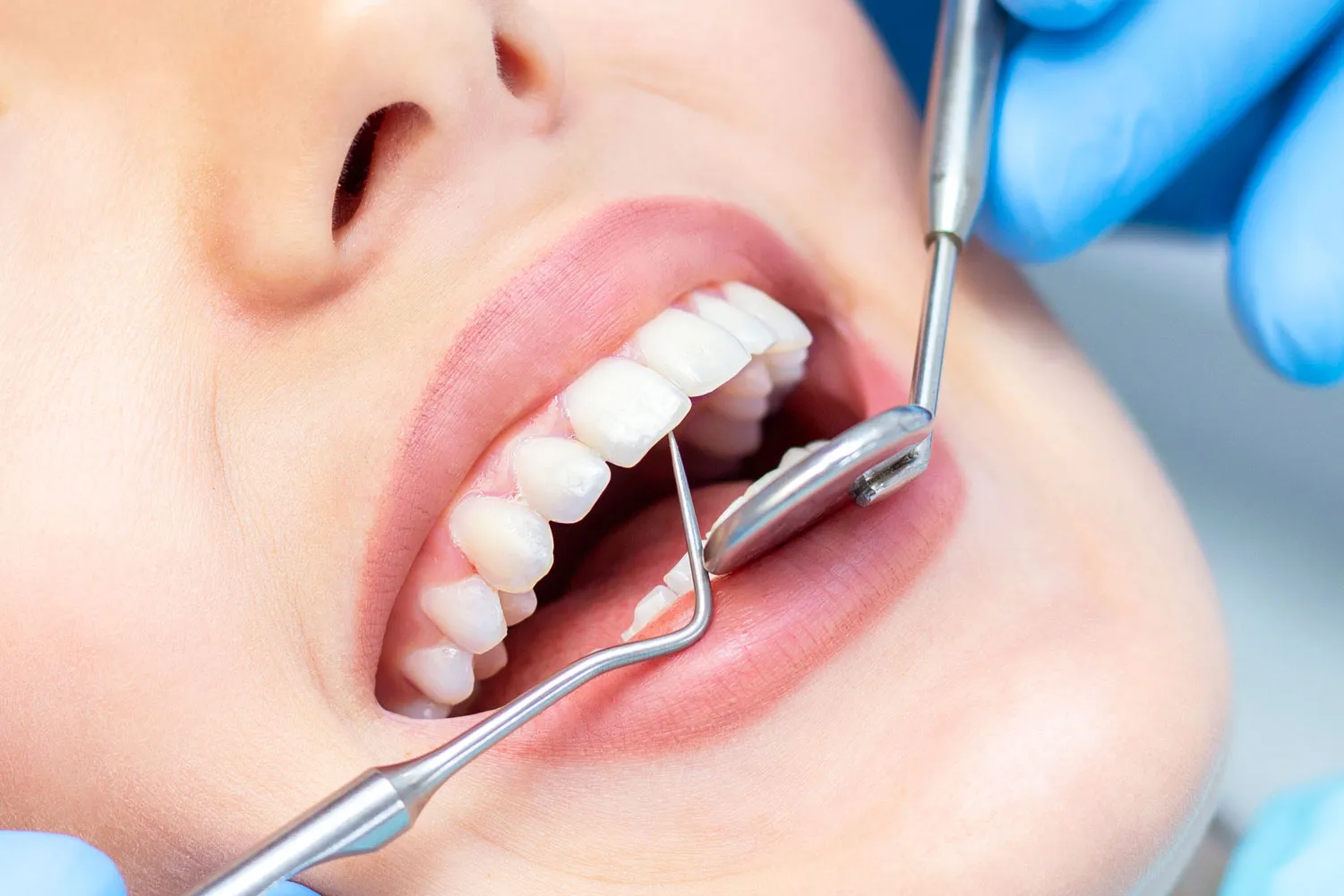
The landscape of dental treatment has undergone a remarkable transformation over recent decades, shifting from the traditional “drill and fill” approach to a philosophy that prioritises preservation above all else. Micro-invasive dentistry represents the pinnacle of this evolution, employing cutting-edge techniques and technologies that allow the private dentist Manchester to maintain the integrity of natural tooth structure whilst effectively addressing dental concerns. This paradigm shift has fundamentally altered how dental professionals approach everything from cavity treatment to cosmetic enhancement, ensuring patients can retain their natural teeth for a lifetime.
At its core, micro-invasive dentistry embraces a conservative philosophy that recognises the irreplaceable value of natural dental tissue. Unlike conventional methods that often necessitated removing significant amounts of healthy tooth material to access and treat affected areas, modern techniques enable dentists to work with unprecedented precision. This approach not only preserves the structural integrity of teeth but also maintains their natural strength and aesthetic qualities, reducing the likelihood of future complications and the need for more extensive interventions down the line.
Understanding the Principles Behind Preservation
The foundation of micro-invasive dentistry rests upon several key principles that distinguish it from traditional approaches. Firstly, early detection plays a crucial role, as research has demonstrated the effectiveness of minimally invasive techniques in treating dental issues before they progress to stages requiring more aggressive intervention. Advanced diagnostic tools such as digital radiography, intraoral cameras, and laser cavity detection systems allow practitioners to identify problems at their earliest stages, when treatment can be minimal and tooth structure largely preserved.
Another fundamental principle involves the use of biomimetic materials that closely replicate the properties of natural tooth enamel and dentine. These materials bond directly to tooth structure at a molecular level, eliminating the need for mechanical retention features that traditionally required removal of healthy tissue. When seeking treatment from a private dentist Manchester patients can benefit from access to these advanced materials and techniques that prioritise long-term preservation over short-term convenience.
Revolutionary Techniques in Action
The practical application of micro-invasive principles manifests through various innovative techniques that have revolutionised dental care. Modern minimally invasive approaches include air abrasion technology, which uses a stream of fine particles to remove decay without the heat, vibration, or pressure associated with traditional drilling methods.
Laser dentistry represents another cornerstone of micro-invasive treatment, offering remarkable precision in both hard and soft tissue procedures. These focused beams of light energy can target specific areas of decay or disease whilst leaving surrounding healthy tissue completely untouched. The result is faster healing times, reduced discomfort, and preservation of maximum tooth structure. Additionally, laser technology often eliminates the need for anaesthesia in minor procedures, further enhancing the patient experience and reducing treatment complexity.
The Role of Remineralisation Therapy
One of the most exciting developments in micro-invasive dentistry involves the ability to reverse early-stage tooth decay through remineralisation therapy. This non-invasive approach utilises specialised fluoride treatments, calcium phosphate compounds, and other mineralising agents to restore depleted minerals to weakened enamel. By addressing decay at its inception, practitioners can often halt or reverse damage without any mechanical intervention whatsoever, representing the ultimate expression of preservation-focused care.
Long-Term Benefits for Dental Health
The advantages of micro-invasive dentistry extend far beyond the immediate treatment experience. By preserving natural tooth structure, these techniques maintain the biomechanical integrity of teeth, reducing the risk of fractures and failures that commonly occur following more aggressive interventions. Understanding the fundamentals of minimally invasive dental care helps patients appreciate how these methods contribute to long-term oral health outcomes.
Furthermore, teeth treated with micro-invasive techniques typically require fewer subsequent interventions throughout a patient’s lifetime. Traditional large fillings often necessitate replacement or upgrading to crowns as they age, each iteration removing additional tooth structure. In contrast, small, conservative restorations placed using modern bonding techniques can last for decades whilst preserving the tooth’s natural strength and resilience. This approach proves particularly valuable for younger patients, ensuring their natural teeth remain viable well into advanced age.
Embracing the Future of Dental Preservation
Micro-invasive dentistry represents more than simply a collection of advanced techniques; it embodies a fundamental commitment to respecting and preserving the natural structures that evolution has perfected over millennia. As technologies continue to advance and practitioners refine their skills, the scope of what can be achieved through conservative treatment continues to expand. For patients seeking private dentist Manchester services and beyond, this approach offers the promise of maintaining natural, healthy teeth throughout their entire lives, fundamentally transforming the relationship between individuals and their oral health.