 0
0
 0
0
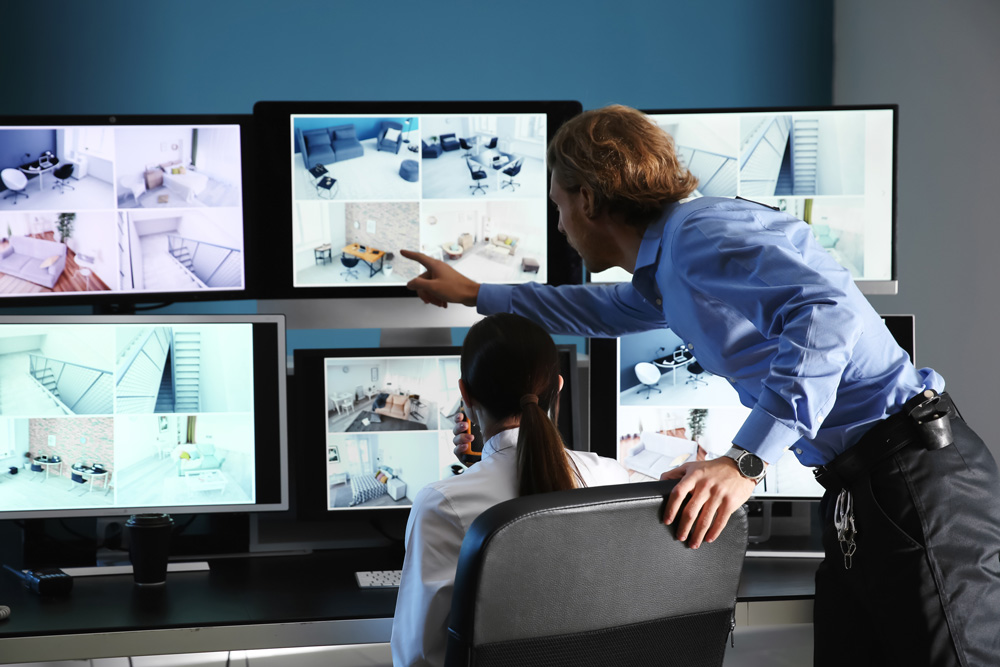
A security alert means little without useful context. Traditional alarms report triggered sensors, while video verification adds visual evidence. For businesses comparing san antonio business security systems, that difference can shape response decisions, investigation quality, and daily confidence. Cameras can show what caused an alert, where activity occurred, and whether intervention makes sense.
Video Adds Visual Context
Standard alarm monitoring identifies a triggered device. Video verification adds a view of the event. A door sensor might report forced entry, while nearby footage can show a person entering. This distinction gives operators stronger information before contacting staff or emergency services.
Why Does Verification Improve Response?
Fast decisions depend on accurate details. Verified footage can clarify whether an alert involves suspicious activity, equipment movement, or a harmless event.
- Operators can assess visible activity.
- Staff receive clearer incident information.
- Responders gain useful visual context.
- False alarms become easier to evaluate.
That extra context can reduce unnecessary escalation while supporting faster action during genuine threats.
Standard Alarms Leave Context Behind
A conventional alarm communicates through signals. Video verification connects those signals with observable events. For businesses evaluating san antonio business security systems, that added layer can support better incident review and stronger operational awareness.
Consider a loading entrance after closing hours. A motion alert confirms movement, but footage can reveal whether a person entered, an employee arrived late, or loose material shifted nearby.
What Happens During An Alert?
Once a sensor activates, connected cameras can provide relevant footage. Monitoring personnel can examine the scene and determine what the alarm represents. Depending on system design, clips may also support later review.
- Cameras show activity around triggers.
- Operators examine visible conditions.
- Relevant footage supports incident records.
- Managers gain evidence for follow-up.
This process turns an isolated signal into actionable information.
Video Verification Supports Better Investigations
An alarm can indicate when something happened. Recorded footage can help explain what happened. That difference becomes valuable after theft, unauthorized access, or property damage.
Investigators can review movement patterns, entry points, and timing. Managers can also compare footage against access records. Clear visual evidence may reveal overlooked details that sensor logs cannot provide alone.
Visual Evidence Changes Security Decisions
Video verification changes the value of an alarm from notification to context. A sensor still matters, but footage can explain its meaning. When a late-night motion alert shows an empty hallway, the response can differ sharply from footage showing forced entry.
That difference protects more than equipment. It preserves attention for genuine incidents, while creating a clearer record of what occurred.
FAQs
Is video verification better than alarms?
Video verification adds visual context to alarm signals. Standard alarms remain useful for detecting specific triggers.
Can video verification reduce false alarms?
Yes, visual footage can help monitoring personnel assess harmless activity before escalation.
Does verification help investigations?
Recorded footage can provide timelines, visible activity, and supporting evidence after an incident.
Can cameras work with existing alarms?
Many systems can integrate cameras with sensors. Compatibility depends on the equipment and monitoring platform.