 0
0
 0
0
Understanding the Truth Behind Common Dental Misconceptions
Dental health remains one of the most misunderstood aspects of personal care, with countless myths circulating through generations like unwelcome family heirlooms. These misconceptions often lead people astray, causing unnecessary anxiety or, conversely, dangerous complacency about oral health. From the belief that sugar is the sole culprit behind tooth decay to the notion that bleeding gums are perfectly normal, dental myths persist despite advances in modern dentistry.
The proliferation of misinformation has created a landscape where patients frequently arrive at the dentist St Albans armed with outdated knowledge or completely fabricated “facts” gleaned from unreliable sources. This phenomenon affects people across all demographics, from children who fear the dentist based on exaggerated tales to adults who avoid necessary treatments due to misconceptions about pain or procedures.
The Sweet Truth About Sugar and Tooth Decay
Perhaps the most pervasive dental myth revolves around sugar’s role in tooth decay. Whilst sugar certainly contributes to dental problems, the relationship is far more nuanced than most people understand. The real culprit isn’t sugar itself, but rather the acid produced by bacteria that feed on sugary substances left in the mouth.
These bacteria, primarily Streptococcus mutans, metabolise sugars and starches, producing lactic acid as a byproduct. This acid then attacks tooth enamel, gradually weakening it and creating the perfect conditions for cavities to form. However, timing and frequency matter more than quantity. A person who sips sugary drinks throughout the day creates a constant acid attack, whilst someone who consumes sweets quickly and then rinses their mouth faces significantly less risk.
Professional Care Versus Home Remedies
The Limitations of DIY Dental Solutions
Another persistent myth suggests that vigorous brushing and expensive home treatments can replace professional dental care. Whilst maintaining excellent oral hygiene at home is absolutely crucial, it cannot substitute for regular professional examinations and cleanings. Many dental issues develop silently, without obvious symptoms until they reach advanced stages.
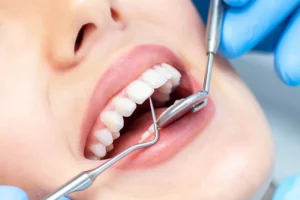
Professional dental equipment can detect problems invisible to the naked eye, including early-stage decay between teeth, gum disease beneath the surface, and structural issues that may cause problems later. A qualified dentist St Albans residents trust would emphasise that prevention through regular check-ups proves far more cost-effective and comfortable than treating advanced dental problems.
The Reality of Modern Dental Procedures
Fear-based myths about dental procedures continue to prevent many people from seeking necessary treatment. Modern dentistry has evolved dramatically, with advanced anaesthetic techniques, minimally invasive procedures, and sophisticated pain management protocols making dental visits far more comfortable than previous generations experienced.
Many patients are surprised to discover that procedures they’ve been dreading prove virtually painless, thanks to improvements in technology and technique. Common dental myths and the reality behind them often differ dramatically, with patient comfort being a primary concern for contemporary dental practices.
Debunking Whitening and Cosmetic Dental Myths
The pursuit of perfect white teeth has spawned numerous myths about whitening treatments and cosmetic procedures. One particularly dangerous misconception suggests that natural remedies like lemon juice, baking soda, or activated charcoal provide safe alternatives to professional whitening. These substances can actually damage tooth enamel through their abrasive or acidic properties, leading to increased sensitivity and permanent enamel loss.
Professional whitening treatments, when administered correctly, use carefully formulated compounds that achieve results without compromising tooth structure. The concentration and application method are precisely controlled to maximise effectiveness whilst minimising risk. Comprehensive dental myth debunking resources consistently emphasise the importance of professional guidance for cosmetic treatments.
Age-Related Dental Misconceptions
Children’s Dental Health Myths
Parents often fall victim to myths surrounding children’s dental care, particularly the belief that baby teeth don’t require serious attention since they’re temporary. This misconception can have lasting consequences, as untreated decay in primary teeth can affect the development of permanent teeth and create painful infections that impact a child’s overall health and wellbeing.
Baby teeth serve crucial functions beyond chewing, including maintaining proper spacing for permanent teeth and supporting speech development. Early dental care establishes positive associations with oral health that benefit children throughout their lives.
Elderly Dental Care Assumptions
Conversely, many assume that tooth loss is an inevitable part of ageing, leading to neglect of dental care in later years. With proper care and regular professional attention, people can maintain their natural teeth throughout their entire lives. Modern preventive dentistry has dramatically improved outcomes for older adults, making tooth retention increasingly common.
Moving Forward with Accurate Information
Dispelling dental myths requires ongoing education and open communication between patients and dental professionals. The internet has both helped and hindered this process, providing access to accurate information whilst simultaneously spreading misinformation at unprecedented speeds. Patients benefit most when they verify dental advice through reputable sources and maintain regular contact with qualified practitioners.
The key to optimal oral health lies in combining consistent home care with professional guidance, staying informed through reliable sources, and approaching dental treatment with realistic expectations based on current evidence. By abandoning outdated myths and embracing evidence-based dental care, individuals can achieve better outcomes and experience greater confidence in their oral health decisions. Professional dental health resources continue to evolve, offering patients access to the latest developments in dental science and treatment options.