 0
0
 0
0
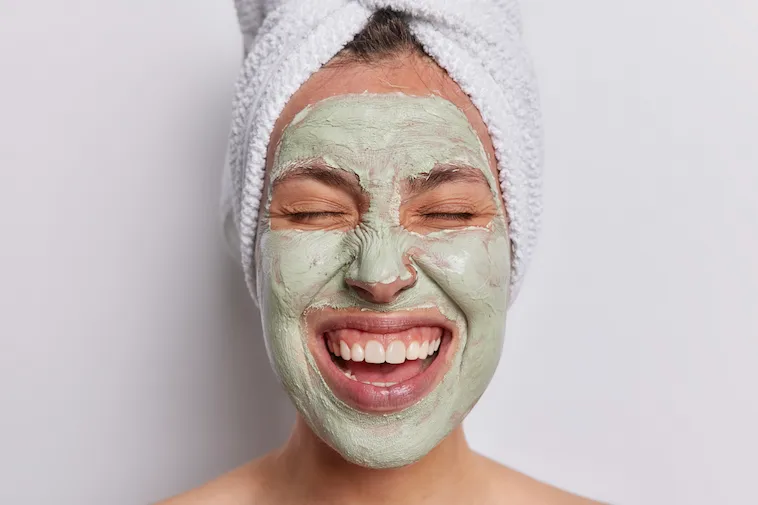
Excess shine can make otherwise balanced skin feel unsettled. Mineral-rich volcanic clay offers a measured way to manage it. A focused routine, including https://sonyadakar.com/products/volcano-mask, can absorb surface oil without harsh cleansing. The result depends on timing, placement, and moisture afterward. Each choice helps keep the complexion comfortable and less slick.
Mineral-Rich Clay Supports Cleaner-Looking Skin
Volcanic clay can absorb excess sebum from surfaces. That action helps reduce the greasy feel caused by buildup. Skin can then feel fresher without repeated washing. Still, excessive masking may create unwanted tightness. A lighter application keeps oil control more comfortable.
- A thin layer suits routine facial care.
- Oilier zones can receive fuller coverage.
- Dry patches need less product exposure.
- Removal should stay gentle and brief.
Why Can Shine Return During The Day?
Sebum production does not remain constant throughout daily routines. Heat, humidity, and skin needs can influence visible oil. Frequent washing may also leave the surface feeling uncomfortable. That discomfort can lead to heavier cleansing habits. A balanced approach keeps the complexion cleaner without overworking it.

Targeted Masking Keeps Treatment More Balanced
Oil rarely appears evenly across the entire face. The forehead, nose, and chin often become slicker first. For that reason, focused application can make better sense. The https://sonyadakar.com/products/volcano-mask fits naturally into such targeted care. Its role remains simple: absorb excess oil where needed.
- Forehead coverage can address midday shine.
- Nose application can focus on visible buildup.
- Chin treatment can support clearer-looking skin.
- Cheeks may need a lighter touch.
Could Hydration Help Manage Excess Oil?
Moisture still matters when skin produces noticeable sebum. After clay treatment, lightweight hydration can restore surface comfort. Skipping that step may leave the face feeling tight. That feeling can encourage repeated cleansing later. Instead, balanced moisture keeps the routine gentler and easier.
Which Facial Areas Need More Attention?
Different areas can respond differently to oil-control care. Central facial zones often need greater attention than cheeks. Placement should reflect those differences rather than follow one pattern. This approach also reduces unnecessary product exposure. Skin receives care where surface oil becomes most noticeable.
- The forehead often benefits from focused coverage.
- Around the nose, buildup can feel more noticeable.
- The chin may need occasional extra attention.
- Drier cheeks can receive reduced coverage.
Mineral Care Works Through Consistent Restraint
Effective oil control does not require aggressive treatment. Mineral absorption works best when paired with sensible timing. A mask can handle surface slickness, while moisture supports comfort afterward. That balance changes the purpose of clay care. Instead of forcing dryness, it manages shine with greater control.
FAQs
Can volcanic clay help oily complexions?
It can absorb surface sebum and reduce the greasy sensation. Proper use helps maintain comfort during regular skincare.
Should clay cover the entire face?
Coverage can follow areas showing greater oil production. Drier sections may need lighter application or less frequent treatment.
What should follow a clay mask?
Gentle hydration can restore a comfortable surface after removal. A lightweight moisturizer keeps the routine from feeling overly heavy.
When should clay treatment be reduced?
Treatment should decrease when noticeable tightness or dryness develops. Skin comfort provides a useful signal for adjusting frequency.