 0
0
 0
0
Understanding the Revolution in Restorative Dentistry
Beneath the surface of every confident smile lies a world of sophisticated materials science that most patients never consider. Dental ceramics have transformed the landscape of restorative dentistry at the dentist Welling, evolving from rudimentary porcelain teeth into highly engineered materials that can withstand the rigours of daily mastication whilst maintaining an aesthetic indistinguishable from natural enamel. The journey of these remarkable materials represents one of the most significant advances in modern dentistry, combining artistry with cutting-edge technology.
The evolution of dental ceramics has been nothing short of extraordinary. What began as simple feldspathic porcelains in the 18th century has blossomed into a diverse family of materials, each designed to meet specific clinical requirements. Today’s dental ceramics encompass everything from traditional porcelain-fused-to-metal restorations to advanced all-ceramic systems that offer superior aesthetics and biocompatibility. These materials have become the cornerstone of contemporary restorative practices, enabling clinicians to deliver results that were unimaginable just a few decades ago.
The Science Behind Ceramic Materials
Dental ceramics are complex compounds that derive their strength and aesthetic properties from carefully controlled crystalline structures. The fundamental composition of these materials typically includes silica, alumina, and various metal oxides that contribute to their optical and mechanical characteristics. Understanding the properties and classifications of dental ceramics is essential for appreciating their diverse applications in modern dentistry.
Types of Dental Ceramics
The classification of dental ceramics can be approached from multiple perspectives, though the most practical categorisation relates to their clinical application and structural composition. Glass ceramics, such as leucite-reinforced and lithium disilicate materials, offer excellent aesthetics and moderate strength, making them ideal for anterior restorations and veneers. Polycrystalline ceramics, including zirconia and alumina, provide exceptional strength and durability, suited for posterior crowns and bridge frameworks where mechanical demands are greatest.
Each category of ceramic material presents distinct advantages and limitations. When a dentist Welling selects a ceramic system for a particular restoration, numerous factors must be considered, including the location of the tooth, the extent of tooth structure loss, occlusal forces, and aesthetic requirements. This decision-making process requires both technical knowledge and clinical experience to achieve optimal outcomes.
Manufacturing Techniques and Digital Innovation
The production of dental ceramics has undergone a remarkable transformation with the advent of computer-aided design and manufacturing technologies. Traditional hand-layering techniques, whilst still valued for their artistic merit, have been complemented by digital workflows that offer unprecedented precision and consistency. Modern CAD-CAM materials for dental practices enable clinicians to design and mill restorations chairside, dramatically reducing turnaround times and improving patient satisfaction.
The integration of digital dentistry has not diminished the importance of material science; rather, it has elevated the need for ceramics that can be processed efficiently whilst maintaining their superior properties. Manufacturers have responded by developing materials specifically optimised for milling, with controlled grain structures that resist chipping and provide predictable results. This synergy between material innovation and technological advancement continues to push the boundaries of what is achievable in restorative dentistry.
Clinical Applications and Patient Benefits
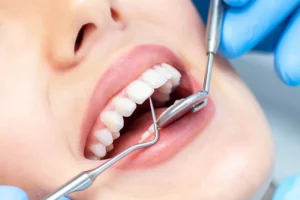
The versatility of modern dental ceramics extends across virtually every aspect of restorative treatment. From single-tooth restorations such as inlays, onlays, and crowns to more extensive rehabilitations involving bridges and implant-supported prosthetics, ceramics offer solutions that combine function with natural aesthetics. The biocompatibility of these materials ensures excellent soft tissue response, whilst their resistance to staining and wear maintains the restoration’s appearance over many years of service.
Patients increasingly seek treatments that are both durable and aesthetically pleasing, and all-ceramic restorations fulfil these requirements admirably. The elimination of metal substructures has resolved issues with grey margins and metallic shadows that plagued earlier generations of ceramic restorations. Contemporary all-ceramic systems allow light to interact with the restoration in a manner that closely mimics natural tooth structure, creating results that are virtually undetectable to the casual observer.
The Future of Ceramic Restorations
As material science continues to advance, the future of dental ceramics appears increasingly promising. Research into nano-structured ceramics and biomimetic materials suggests that upcoming generations of restorative materials will offer even greater strength, improved aesthetics, and enhanced longevity. The commitment of dental professionals to staying abreast of these developments ensures that patients will continue to benefit from the remarkable capabilities that modern ceramic materials provide in creating beautiful, functional, and enduring dental restorations.