How Your Handwashing Frequency Patterns Mirror Effective Interdental Cleaning Habits and Practical Techniques to Synchronise Both for Superior Oral Health

How Your Handwashing Frequency Patterns Mirror Effective Interdental Cleaning Habits and Practical Techniques to Synchronise Both for Superior Oral Health

0 0
Read Time:3 Minute, 52 Second

The Fascinating Connection Between Two Essential Hygiene Routines

In the realm of personal hygiene, few habits have received as much attention in recent years as handwashing. The global pandemic transformed this simple act into a meticulously timed ritual, with most people now acutely aware of the twenty-second rule and the importance of thoroughness. Yet, whilst society has embraced handwashing with newfound vigour, another equally crucial hygiene practice continues to languish in the shadows of neglect: interdental cleaning. The parallels between these two routines are remarkably striking, and understanding their similarities offers a compelling framework for improving oral health outcomes.

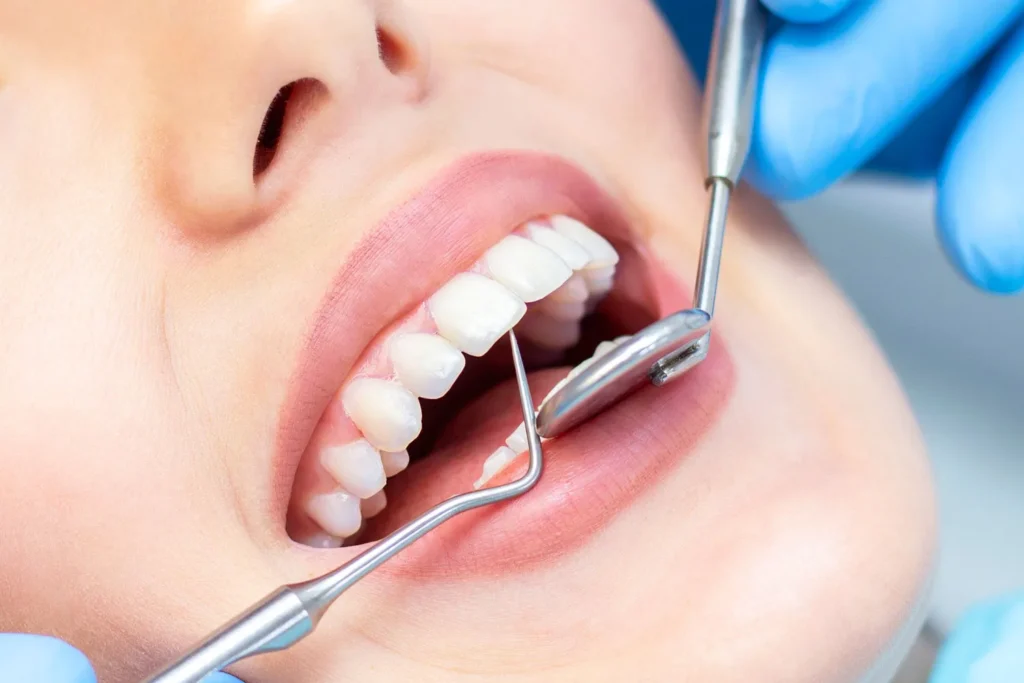
As dental professionals, including a dentist Pinner, are aware, both handwashing and interdental cleaning share a fundamental challenge: they require consistency, proper technique, and a commitment to reaching areas that are not immediately visible. Just as washing only the palms of one’s hands leaves harmful bacteria thriving between fingers and under nails, brushing teeth alone fails to address the approximately forty per cent of tooth surfaces that exist between teeth. These hidden spaces harbour plaque, bacteria, and food particles that can lead to gum disease, cavities, and a host of other oral health complications.

Understanding the Psychology of Routine Formation

The frequency with which individuals wash their hands throughout the day is typically anchored to specific triggers: before meals, after using the lavatory, upon returning home, or following any activity perceived as potentially contaminating. These contextual cues create automatic behavioural patterns that require minimal conscious effort once established. The same psychological principles can be applied to interdental cleaning, transforming it from an occasional afterthought into an ingrained daily practice.

Research conducted by dental professionals consistently demonstrates that patients who successfully integrate interdental cleaning into their routines often do so by linking it to existing habits. This technique, known as habit stacking, proves particularly effective when the new behaviour is paired with an already established one, much like how handwashing has become inseparable from meal preparation or bathroom visits.

The Science Behind Frequency and Effectiveness

When examining handwashing patterns, studies reveal that frequency alone does not guarantee effectiveness. A person might wash their hands a dozen times daily yet fail to remove pathogens if the technique is compromised. Similarly, evidence-based approaches to interdental cleaning emphasise that method matters as much as regularity. The mechanical action of floss, interdental brushes, or water flossers must be performed correctly to dislodge biofilm and debris from between teeth.

Matching Technique to Individual Needs

Just as different handwashing situations call for varying levels of intensity—a quick rinse after handling clean laundry versus a thorough scrub after gardening—interdental cleaning techniques should be tailored to individual oral anatomies and specific needs. Some individuals possess tight contacts between teeth that necessitate thin floss, whilst others with wider gaps benefit more from interdental brushes of appropriate sizes. Understanding these nuances transforms interdental care from a one-size-fits-all chore into a personalised health strategy.

Practical Strategies for Synchronising Both Habits

The most effective approach to improving both handwashing and interdental cleaning involves creating deliberate environmental and temporal associations. Consider these evidence-based strategies for building robust routines:

  • Place interdental cleaning tools beside the bathroom sink where hand soap is kept, creating a visual reminder that links both activities
  • Establish a specific time of day when both practices occur in sequence, such as during the evening bathroom routine
  • Use the twenty-second handwashing duration as a timing reference for thorough interdental cleaning between each tooth gap
  • Keep travel-sized versions of both hand sanitiser and interdental picks together in bags or desk drawers

The selection of appropriate oral hygiene aids plays a crucial role in maintaining consistency. When tools are comfortable, accessible, and suited to individual requirements, compliance naturally improves—much like how pleasant-smelling hand soap encourages more frequent washing.

Overcoming Common Barriers to Consistency

Both practices face similar obstacles: time constraints, forgetfulness, and the absence of immediate negative consequences when skipped. However, understanding the long-term benefits of proper interdental maintenance provides motivation comparable to the disease-prevention knowledge that drives handwashing behaviour. The key lies in making both activities as effortless and automatic as possible through the strategic placement of supplies and consistent scheduling.

Building a Comprehensive Personal Hygiene Framework

The relationship between handwashing frequency and interdental cleaning habits ultimately reflects a broader philosophy of preventative health care. By recognising the parallel structures of these routines, individuals can leverage the psychological mechanisms that make one successful to strengthen the other. This synchronised approach not only improves oral health outcomes but also reinforces a holistic understanding of how small, consistent actions compound into significant long-term benefits for overall wellbeing.

Happy
Happy
0 %
Sad
Sad
0 %
Excited
Excited
0 %
Sleepy
Sleepy
0 %
Angry
Angry
0 %
Surprise
Surprise
0 %
Common Digestive Disorders Managed Through Gastroenterology Services

Common Digestive Disorders Managed Through Gastroenterology Services

0 0
Read Time:2 Minute, 30 Second

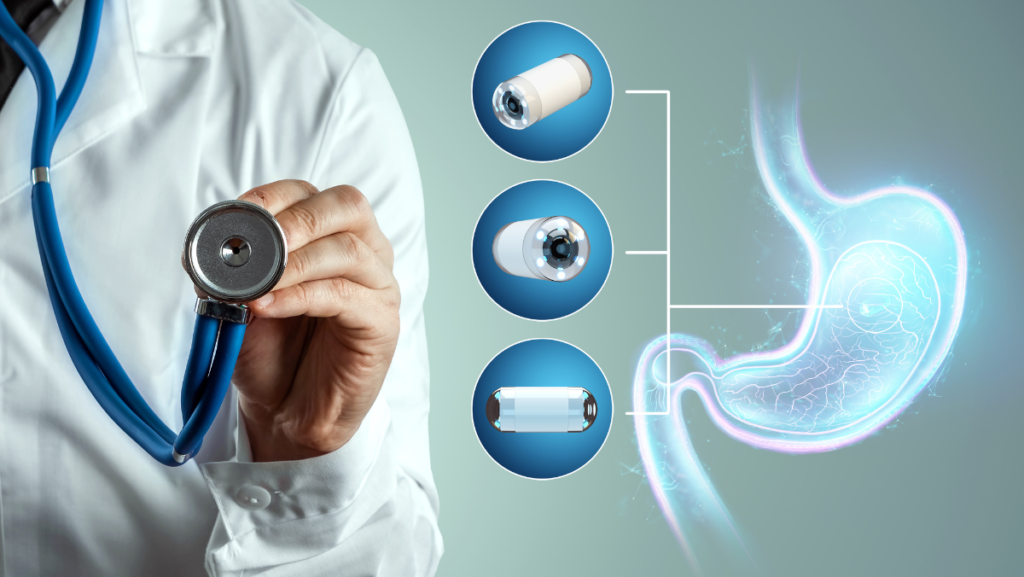
Digestive discomfort rarely begins with severe symptoms. A person may notice small changes first. Meals feel heavier than before. Stomach pain appears without warning. Bloating starts interrupting ordinary days. Those signs often stay unnoticed because they seem harmless. Time passes, yet the discomfort refuses to disappear.

At this stage, proper assessment becomes more valuable than guessing the cause. A specialist studies symptom patterns instead of isolated complaints. This approach helps reveal hidden conditions before they create larger difficulties. Choosing a gastroenterologist in nottingham allows people to receive focused care based on careful evaluation rather than assumptions.

When Everyday Discomfort Starts Following a Pattern

A burning feeling after dinner may seem harmless at first. Repeated episodes tell a different story. Food travelling backward into the food pipe can irritate delicate tissue. Sleep may become disturbed. Favorite meals may lose their appeal. Gradual lifestyle changes often reduce irritation, yet lasting relief depends upon proper assessment.

People often notice signs such as:

  • Burning after larger meals
  • Bitter fluid reaching the mouth
  • Discomfort while lying flat
  • Difficulty swallowing over time

Each symptom adds another clue. Looking at the complete picture helps create a suitable care plan.

Bowel Changes Reveal More Than Temporary Trouble

Bowel habits rarely stay identical throughout life. Short changes often pass naturally. Persistent changes deserve closer attention. Loose motions, constipation, cramping, or bloating may appear together. Each person experiences a different combination. Therefore, one treatment never suits everyone.

Food choices can influence symptoms. Daily pressure may contribute as well. Keeping a simple record often helps identify repeating triggers. This information guides future decisions without unnecessary guesswork.

Long-Term Irritation Needs Steady Attention

Certain digestive conditions continue over extended periods. They may settle for weeks before returning again. Regular reviews help track small changes before larger difficulties appear. A gastroenterologist in nottingham monitors progress through suitable examinations while adjusting treatment whenever circumstances change. This steady approach protects daily comfort instead of reacting only during severe flare-ups.

Helpful management may include:

  • Personal eating advice based upon symptoms
  • Regular reviews during changing conditions
  • Medicines when suitable
  • Lifestyle adjustments matching individual needs
  • Practical guidance for recognizing warning signs

Each recommendation fits personal circumstances rather than following identical plans.

Care Decisions Depend Upon Accurate Investigation

Different conditions can produce similar warning signs. Simple stomach discomfort may resemble food intolerance or irritation inside the digestive tract. Relying upon assumptions creates unnecessary delays. Careful examination separates one condition from another. Suitable testing explains why symptoms continue instead of masking them. Clear answers reduce uncertainty and allow treatment with greater confidence. Patients often feel reassured once unexplained discomfort finally receives a practical explanation.

Taking Control of Everyday Digestive Health

Lasting comfort grows through informed decisions rather than repeated trial and error. Someone who understands personal triggers responds with greater confidence during daily life. Keeping track of recurring burning after meals or changing bowel habits creates useful information during future appointments. Those small observations often become the detail leading toward clearer answers and steadier health over the coming years.

Happy
Happy
0 %
Sad
Sad
0 %
Excited
Excited
0 %
Sleepy
Sleepy
0 %
Angry
Angry
0 %
Surprise
Surprise
0 %
Practical Ways To Increase Service Bookings And Local Reach

Practical Ways To Increase Service Bookings And Local Reach

0 0
Read Time:2 Minute, 19 Second

A junk removal truck parked outside a property does not always tell the full story. Some companies stay fully booked throughout the week, while others wait for inquiries despite offering similar services. Search visibility quietly influences those outcomes. A business owner checking online performance noticed that local seo for junk removal became a bigger priority after nearby competitors started appearing more frequently in map results. Calls increased where listings looked active, complete, and recently updated.

Small Listing Changes Get Noticed

Property owners searching for junk removal services usually want answers quickly. A cluttered garage, leftover renovation debris, or an office cleanout creates urgency. Search results become the first point of contact.

Google Business Profile activity often reflects customer attention. Fresh photographs, updated service details, and accurate contact information create a stronger impression. SEO efforts connected to local visibility tend to revolve around these practical updates rather than complicated technical adjustments.

A listing that appears maintained attracts more interaction than one sitting unchanged for months.

Search Habits Tell a Story

Interesting patterns appear when reviewing inquiry sources. Short search phrases dominate. Customers rarely type long descriptions. Direct searches connected to immediate needs usually generate stronger engagement.

A homeowner clearing a property before a sale behaves differently from a contractor managing construction debris. Search behaviour changes, yet both groups expect clear information.

Internet marketing campaigns become more effective when content reflects these real situations instead of generic promotional language.

local seo for junk removal

Content Built Around Real Jobs

Marketing content performs differently when based on actual work experiences. A property cleanout tells a story. An estate clearance presents another situation. Construction debris removal creates completely different search intent.

Rather than producing broad marketing messages, successful digital marketing efforts often focus on documenting everyday service situations.

During campaign planning, the phrase junk removal digital marketing company surfaced while comparing how businesses approached local visibility. Some focused entirely on advertising. Others documented real projects and customer experiences. The second approach generated more engagement.

Consistency Beats Sudden Changes

Ranking improvements rarely happen overnight. Gradual activity appears more natural.Business descriptions receive updates. New photographs appear. Customer reviews accumulate. Search visibility adjusts.

Digital marketing becomes easier to maintain when daily business operations naturally create content opportunities. A completed project photograph or customer testimonial often contributes more value than excessive promotional material.

Booking Trends Follow Visibility

Busy periods reveal interesting patterns. Companies appearing prominently in local results usually receive inquiries first. The difference becomes noticeable when demand increases unexpectedly.

Digital marketing and internet marketing strategies work best when supported by accurate business information. Visibility starts long before a customer visits a website or makes a phone call.

Junk removal businesses operating in competitive areas frequently discover that small improvements create measurable differences. A clearer profile, updated reviews, and stronger local signals gradually shape booking activity.

Happy
Happy
0 %
Sad
Sad
0 %
Excited
Excited
0 %
Sleepy
Sleepy
0 %
Angry
Angry
0 %
Surprise
Surprise
0 %
The Link Between Organic Traffic and Qualified Enquiries

The Link Between Organic Traffic and Qualified Enquiries

0 0
Read Time:2 Minute, 28 Second

For many businesses, attracting visitors to a website is only one part of the growth equation. The true value of organic search lies in its ability to connect companies with people who are actively looking for solutions, products, or services. When search visibility aligns with user intent, website traffic can become a steady source of qualified enquiries and potential customers.

Organic search remains one of the most effective digital marketing channels because it reaches users at critical moments in their decision-making journey. Unlike broad advertising campaigns that target large audiences, search traffic often consists of individuals seeking specific information or assistance.

Why Quality Matters More Than Quantity

A website can receive thousands of visitors each month, but those numbers have limited value if visitors leave without taking action. Businesses benefit most when they attract users whose interests closely match their offerings.

Effective search strategies focus on:

  • Targeting relevant search terms
  • Creating content that answers important questions
  • Addressing user intent clearly
  • Providing valuable information
  • Guiding visitors toward meaningful actions

These efforts can help increase the likelihood of generating enquiries that have genuine business potential.

The Role of lead generation SEO

Organic search can support business development by attracting users who are already researching solutions within a particular industry. Instead of pursuing large volumes of untargeted traffic, many organizations prioritize relevance and engagement.

A strong lead generation SEO approach focuses on creating content that matches the needs of prospective customers. Informative service pages, educational resources, and industry-focused content can help establish trust while encouraging visitors to learn more about a company’s offerings.

lead generation SEO

Building Trust Through Valuable Content

Content serves as a bridge between search visibility and customer engagement. When visitors find useful information that addresses their concerns, they are more likely to view a business as a credible source.

Several content elements contribute to stronger results:

  • Detailed guides and resources
  • Clear explanations of services
  • Practical solutions to common challenges
  • Frequently updated information
  • Easy-to-navigate page structures

By delivering value consistently, businesses can create positive experiences that encourage further interaction.

Turning Interest into Enquiries

Generating qualified enquiries requires more than attracting visitors. Websites must also provide clear opportunities for engagement. Contact forms, consultation requests, quote submissions, and downloadable resources can help convert interest into meaningful conversations.

An effective website structure makes it easier for visitors to move from information gathering to acting. Clear calls to action and accessible contact options play an important role in supporting this transition.

Creating Sustainable Growth

Long-term success often depends on maintaining a reliable flow of new opportunities. Unlike marketing channels that require continuous spending to generate visibility, organic search can continue delivering value over extended periods.

Businesses that invest in lead generation SEO often strengthen their ability to attract qualified prospects while building authority within their industry. As search visibility grows and content continues to address audience needs, organic traffic can become a dependable source of enquiries that support sustainable business growth and long-term success.

Happy
Happy
0 %
Sad
Sad
0 %
Excited
Excited
0 %
Sleepy
Sleepy
0 %
Angry
Angry
0 %
Surprise
Surprise
0 %
How Micro-Invasive Dentistry Preserves Natural Tooth Structure for Life

How Micro-Invasive Dentistry Preserves Natural Tooth Structure for Life

0 0
Read Time:3 Minute, 51 Second

The Evolution of Modern Dental Care

The landscape of dental treatment has undergone a remarkable transformation over recent decades, shifting from the traditional “drill and fill” approach to a philosophy that prioritises preservation above all else. Micro-invasive dentistry represents the pinnacle of this evolution, employing cutting-edge techniques and technologies that allow the private dentist Manchester to maintain the integrity of natural tooth structure whilst effectively addressing dental concerns. This paradigm shift has fundamentally altered how dental professionals approach everything from cavity treatment to cosmetic enhancement, ensuring patients can retain their natural teeth for a lifetime.

At its core, micro-invasive dentistry embraces a conservative philosophy that recognises the irreplaceable value of natural dental tissue. Unlike conventional methods that often necessitated removing significant amounts of healthy tooth material to access and treat affected areas, modern techniques enable dentists to work with unprecedented precision. This approach not only preserves the structural integrity of teeth but also maintains their natural strength and aesthetic qualities, reducing the likelihood of future complications and the need for more extensive interventions down the line.

Understanding the Principles Behind Preservation

The foundation of micro-invasive dentistry rests upon several key principles that distinguish it from traditional approaches. Firstly, early detection plays a crucial role, as research has demonstrated the effectiveness of minimally invasive techniques in treating dental issues before they progress to stages requiring more aggressive intervention. Advanced diagnostic tools such as digital radiography, intraoral cameras, and laser cavity detection systems allow practitioners to identify problems at their earliest stages, when treatment can be minimal and tooth structure largely preserved.

Another fundamental principle involves the use of biomimetic materials that closely replicate the properties of natural tooth enamel and dentine. These materials bond directly to tooth structure at a molecular level, eliminating the need for mechanical retention features that traditionally required removal of healthy tissue. When seeking treatment from a private dentist Manchester patients can benefit from access to these advanced materials and techniques that prioritise long-term preservation over short-term convenience.

Revolutionary Techniques in Action

The practical application of micro-invasive principles manifests through various innovative techniques that have revolutionised dental care. Modern minimally invasive approaches include air abrasion technology, which uses a stream of fine particles to remove decay without the heat, vibration, or pressure associated with traditional drilling methods.

Laser dentistry represents another cornerstone of micro-invasive treatment, offering remarkable precision in both hard and soft tissue procedures. These focused beams of light energy can target specific areas of decay or disease whilst leaving surrounding healthy tissue completely untouched. The result is faster healing times, reduced discomfort, and preservation of maximum tooth structure. Additionally, laser technology often eliminates the need for anaesthesia in minor procedures, further enhancing the patient experience and reducing treatment complexity.

The Role of Remineralisation Therapy

One of the most exciting developments in micro-invasive dentistry involves the ability to reverse early-stage tooth decay through remineralisation therapy. This non-invasive approach utilises specialised fluoride treatments, calcium phosphate compounds, and other mineralising agents to restore depleted minerals to weakened enamel. By addressing decay at its inception, practitioners can often halt or reverse damage without any mechanical intervention whatsoever, representing the ultimate expression of preservation-focused care.

Long-Term Benefits for Dental Health

The advantages of micro-invasive dentistry extend far beyond the immediate treatment experience. By preserving natural tooth structure, these techniques maintain the biomechanical integrity of teeth, reducing the risk of fractures and failures that commonly occur following more aggressive interventions. Understanding the fundamentals of minimally invasive dental care helps patients appreciate how these methods contribute to long-term oral health outcomes.

Furthermore, teeth treated with micro-invasive techniques typically require fewer subsequent interventions throughout a patient’s lifetime. Traditional large fillings often necessitate replacement or upgrading to crowns as they age, each iteration removing additional tooth structure. In contrast, small, conservative restorations placed using modern bonding techniques can last for decades whilst preserving the tooth’s natural strength and resilience. This approach proves particularly valuable for younger patients, ensuring their natural teeth remain viable well into advanced age.

Embracing the Future of Dental Preservation

Micro-invasive dentistry represents more than simply a collection of advanced techniques; it embodies a fundamental commitment to respecting and preserving the natural structures that evolution has perfected over millennia. As technologies continue to advance and practitioners refine their skills, the scope of what can be achieved through conservative treatment continues to expand. For patients seeking private dentist Manchester services and beyond, this approach offers the promise of maintaining natural, healthy teeth throughout their entire lives, fundamentally transforming the relationship between individuals and their oral health.

Happy
Happy
0 %
Sad
Sad
0 %
Excited
Excited
0 %
Sleepy
Sleepy
0 %
Angry
Angry
0 %
Surprise
Surprise
0 %
Financial Support Conversations Often Begin During Difficult Personal Adjustment Periods

Financial Support Conversations Often Begin During Difficult Personal Adjustment Periods

0 0
Read Time:2 Minute, 31 Second

Serious injuries and long-term illnesses often change everyday life gradually. Some people reduce work hours first. Others try returning to work before realizing their condition no longer allows consistent employment. During that period, insurance paperwork and legal questions usually start appearing together. That is when many individuals begin searching for best tpd lawyers while trying to understand how permanent disability claims actually work. The legal process becomes much larger than most applicants expect.

Many people compare legal services without understanding claim differences

Not all TPD claims involve the same legal complexity. Some claims move reasonably smoothly with strong medical evidence from the beginning while others become disputed because of policy wording or work capacity disagreements.

Lawyers often review:

  • Insurance policy definitions
  • Superannuation structures
  • Employment history
  • Medical evidence quality
  • Previous insurer communication
  • Ongoing treatment records

Some claims involve physical injuries only. Others include psychological conditions or overlapping medical complications that require broader supporting documentation.

best tpd lawyers

And honestly, many applicants compare lawyers based only on advertising without fully understanding whether the legal team regularly handles TPD related insurer disputes specifically.

Experience with insurer negotiations may influence communication quality

One area that becomes important during TPD claims is communication management.

Lawyers handling these matters often deal with:

  • Insurer evidence requests
  • Delayed assessment responses
  • Independent medical review discussions
  • Policy interpretation issues
  • Claim clarification notices
  • Additional documentation requirements

Some insurers communicate clearly throughout the process. Others request repeated updates over several months before progressing further.

Applicants dealing with serious medical conditions usually find constant paperwork and follow up requests exhausting after a while.

That ongoing communication pressure is one reason legal representation becomes important for many households.

Understanding the difference between legal review and claim approval

Some applicants assume hiring lawyers automatically means approval becomes guaranteed. That is not how TPD claims work.

Legal representatives generally help by:

  • Reviewing policy wording carefully
  • Organizing evidence properly
  • Responding to insurer requests
  • Clarifying work limitations
  • Managing communication timelines
  • Identifying possible disputes early

Sometimes the issue is not whether the condition exists. The real dispute becomes how the policy defines permanent work incapacity.

Why detailed work history records still matter during assessments

Employment history plays a much bigger role in TPD claims than many people expect.

Insurers may examine:

  • Physical job duties
  • Work hours
  • Previous occupations
  • Training background
  • Transferable skills
  • Long term employment capacity

A construction worker unable to safely perform physical labor may face different legal discussions compared with someone working in administrative employment.

And people with mixed work histories sometimes experience more detailed review because insurers assess whether alternative employment may still exist under the policy definition. That part can become surprisingly technical.

Later in the process, many applicants searching for best tpd lawyers begin understanding that legal support is usually less about aggressive advertising promises and more about organized evidence management, insurer communication, policy interpretation, and long term claim preparation.

The paperwork itself may appear administrative from the outside. Underneath though, insurers are reviewing future work capacity, policy definitions, medical consistency, and financial eligibility all at the same time.

Happy
Happy
0 %
Sad
Sad
0 %
Excited
Excited
0 %
Sleepy
Sleepy
0 %
Angry
Angry
0 %
Surprise
Surprise
0 %
The Hidden World of Dental Ceramics and Their Role in Modern Restorations

The Hidden World of Dental Ceramics and Their Role in Modern Restorations

0 0
Read Time:3 Minute, 39 Second

Understanding the Revolution in Restorative Dentistry

Beneath the surface of every confident smile lies a world of sophisticated materials science that most patients never consider. Dental ceramics have transformed the landscape of restorative dentistry at the dentist Welling, evolving from rudimentary porcelain teeth into highly engineered materials that can withstand the rigours of daily mastication whilst maintaining an aesthetic indistinguishable from natural enamel. The journey of these remarkable materials represents one of the most significant advances in modern dentistry, combining artistry with cutting-edge technology.

The evolution of dental ceramics has been nothing short of extraordinary. What began as simple feldspathic porcelains in the 18th century has blossomed into a diverse family of materials, each designed to meet specific clinical requirements. Today’s dental ceramics encompass everything from traditional porcelain-fused-to-metal restorations to advanced all-ceramic systems that offer superior aesthetics and biocompatibility. These materials have become the cornerstone of contemporary restorative practices, enabling clinicians to deliver results that were unimaginable just a few decades ago.

The Science Behind Ceramic Materials

Dental ceramics are complex compounds that derive their strength and aesthetic properties from carefully controlled crystalline structures. The fundamental composition of these materials typically includes silica, alumina, and various metal oxides that contribute to their optical and mechanical characteristics. Understanding the properties and classifications of dental ceramics is essential for appreciating their diverse applications in modern dentistry.

Types of Dental Ceramics

The classification of dental ceramics can be approached from multiple perspectives, though the most practical categorisation relates to their clinical application and structural composition. Glass ceramics, such as leucite-reinforced and lithium disilicate materials, offer excellent aesthetics and moderate strength, making them ideal for anterior restorations and veneers. Polycrystalline ceramics, including zirconia and alumina, provide exceptional strength and durability, suited for posterior crowns and bridge frameworks where mechanical demands are greatest.

Each category of ceramic material presents distinct advantages and limitations. When a dentist Welling selects a ceramic system for a particular restoration, numerous factors must be considered, including the location of the tooth, the extent of tooth structure loss, occlusal forces, and aesthetic requirements. This decision-making process requires both technical knowledge and clinical experience to achieve optimal outcomes.

Manufacturing Techniques and Digital Innovation

The production of dental ceramics has undergone a remarkable transformation with the advent of computer-aided design and manufacturing technologies. Traditional hand-layering techniques, whilst still valued for their artistic merit, have been complemented by digital workflows that offer unprecedented precision and consistency. Modern CAD-CAM materials for dental practices enable clinicians to design and mill restorations chairside, dramatically reducing turnaround times and improving patient satisfaction.

The integration of digital dentistry has not diminished the importance of material science; rather, it has elevated the need for ceramics that can be processed efficiently whilst maintaining their superior properties. Manufacturers have responded by developing materials specifically optimised for milling, with controlled grain structures that resist chipping and provide predictable results. This synergy between material innovation and technological advancement continues to push the boundaries of what is achievable in restorative dentistry.

Clinical Applications and Patient Benefits

The versatility of modern dental ceramics extends across virtually every aspect of restorative treatment. From single-tooth restorations such as inlays, onlays, and crowns to more extensive rehabilitations involving bridges and implant-supported prosthetics, ceramics offer solutions that combine function with natural aesthetics. The biocompatibility of these materials ensures excellent soft tissue response, whilst their resistance to staining and wear maintains the restoration’s appearance over many years of service.

Patients increasingly seek treatments that are both durable and aesthetically pleasing, and all-ceramic restorations fulfil these requirements admirably. The elimination of metal substructures has resolved issues with grey margins and metallic shadows that plagued earlier generations of ceramic restorations. Contemporary all-ceramic systems allow light to interact with the restoration in a manner that closely mimics natural tooth structure, creating results that are virtually undetectable to the casual observer.

The Future of Ceramic Restorations

As material science continues to advance, the future of dental ceramics appears increasingly promising. Research into nano-structured ceramics and biomimetic materials suggests that upcoming generations of restorative materials will offer even greater strength, improved aesthetics, and enhanced longevity. The commitment of dental professionals to staying abreast of these developments ensures that patients will continue to benefit from the remarkable capabilities that modern ceramic materials provide in creating beautiful, functional, and enduring dental restorations.

Happy
Happy
0 %
Sad
Sad
0 %
Excited
Excited
0 %
Sleepy
Sleepy
0 %
Angry
Angry
0 %
Surprise
Surprise
0 %
vape pen brands

What is the best way to store THCA carts to keep them the freshest?

0 0
Read Time:2 Minute, 15 Second

Preservation of products needs proper care, attention, and storage systems that would not damage these products over time. Quality is based on the process of manipulation, keeping of goods, and preserving against destructive elements. Therefore, shop Binoid online, users are willing to get lasting freshness with no change in quality. Correct storage will aid in consistency, reduce wastage, and enhance usability. Minor errors may compromise the clarity of performance and safety.

Keep in a dark, cool place.

Keeping products in a cool, dark place will maintain quality, keep products not exposed to heat, and keep products unaffected in terms of stability, unwanted changes, consistency, and will help keep the products in good condition, and will help users to have more time using the products without risk of spoilage.

Store in Airtight Containers.

Airtight containers reduce exposure to the air, hence stopping oxidation, maintaining stability, promoting uniformity, protecting quality, easy use, longer life, reducing the risk of contamination, sufficient storage and maintenance of the original status of the products by the users.

Balanced Room Temperature.

Stable room temperature prevents abrupt variations, which safeguard quality, assist in consistency, reduce risks, and enhance long-term life, safe usage, balance, structure, avoid harm, and enable users to store items without disturbing overall performance.

Minimize Handling during storage.

vape pen alternative

Less frequent handling will help preserve the structure, provide stability, consistency, avoid contamination, ensure safe use, extend life, prevent damage, keep the structure in a consistent usable condition, and make sure that the user can rely on the consistency and condition of the items in the structure.

Close after Each Use.

Proper use of seals keeps the items out of the air, which keeps quality intact, assists in consistency, safeguards structure, minimizes risk of contamination, enhances longevity, ensures safe use, avoids undesired alterations, and also allows users to retain their original condition over the storage duration.

The correct storage procedures guarantee a long-term usability of the structure as they protect it, keep it in balance, minimize exposure, and avoid harm. These tips are easy to follow and allow users to maintain quality, consistency, provide safe use, and reliable performance with the
shop Binoid online products.

FAQs

What to do to preserve items longer?

Keep store items in cool, dark locations, not exposed to heat, keep closed, stay stable, eliminate risks, and use safely.

Why not be exposed to sunlight?

The sun raises the heat, which destroys the building, diminishes the quality, influences the consistency, and the life span of stored products.

How frequently are the checks on storage made?

Frequent inspection assists in identifying problems at the very beginning, stabilizing, preserving quality, and their safe utilization, as well as avoiding changes that are unwanted during storage.

Happy
Happy
0 %
Sad
Sad
0 %
Excited
Excited
0 %
Sleepy
Sleepy
0 %
Angry
Angry
0 %
Surprise
Surprise
0 %
Understanding the Impact of Orthodontics on Speech Improvement

Understanding the Impact of Orthodontics on Speech Improvement

0 0
Read Time:3 Minute, 29 Second

The Fascinating Connection Between Teeth Alignment and Clear Communication

When considering orthodontic treatment, most people immediately think of achieving a straighter, more aesthetically pleasing smile. However, as a specialist orthodontist Battersea & Kensington and other dental professionals will tell you, the benefits of properly aligned teeth extend far beyond mere appearance. One of the most significant yet often overlooked advantages of orthodontic intervention is its profound impact on speech clarity and articulation. The intricate relationship between dental positioning and verbal communication represents a compelling area where oral health directly influences daily social interactions.

Speech production relies on a complex coordination between the tongue, teeth, lips, and palate. When teeth are misaligned, crowded, or improperly spaced, they can create obstacles that interfere with the precise tongue movements required for clear articulation. This interference often results in speech impediments that can affect confidence and communication effectiveness throughout one’s life.

Common Speech Issues Related to Dental Misalignment

Various orthodontic conditions can contribute to specific speech difficulties. Understanding these connections helps illustrate why seeking treatment from a specialist orthodontist can be transformative for both oral health and communication skills.

Lisping and Sibilant Sound Difficulties

One of the most prevalent speech issues associated with dental misalignment is the development of a lisp. This occurs when there are gaps between the front teeth or when teeth are significantly protruded. The tongue may push through these spaces during speech, creating a distinctive ‘th’ sound when attempting to pronounce ‘s’ and ‘z’ sounds. This interdental lisp can persist into adulthood if left untreated, affecting professional and personal communications.

Articulation Challenges with Specific Consonants

Severely crowded teeth or significant overbites can make it challenging to produce certain consonant sounds correctly. Letters such as ‘t’, ‘d’, ‘n’, and ‘l’ require precise tongue-to-tooth contact. When teeth are mispositioned, achieving this contact becomes difficult, resulting in unclear or distorted pronunciation that may require listeners to concentrate harder to understand the speaker.

The Orthodontic Treatment Journey and Speech Adaptation

Beginning orthodontic treatment often involves an initial adjustment period where speech may temporarily be affected. Patients frequently experience slight changes in their speaking patterns as their mouth adapts to braces, aligners, or other orthodontic appliances. This temporary phase typically lasts only a few weeks as the tongue learns to navigate around the new dental landscape.

During this adaptation period, speech therapists sometimes work alongside orthodontic professionals to help patients develop proper tongue positioning and breathing techniques. This collaborative approach ensures that patients maximise the speech benefits of their orthodontic treatment whilst minimising any temporary discomfort or communication difficulties.

Long-term Speech Improvements

As orthodontic treatment progresses and teeth move into their optimal positions, patients often notice remarkable improvements in their speech clarity. The tongue gains better access to proper contact points, allowing for more precise articulation of challenging sounds. Many patients report increased confidence in public speaking situations and professional environments as their communication becomes clearer and more effortless.

Research demonstrates that orthodontic treatment significantly enhances speech patterns in individuals with various dental irregularities. These improvements often extend beyond the correction of obvious speech impediments to include subtle enhancements in overall vocal quality and projection.

Professional Assessment and Treatment Planning

Determining the relationship between dental alignment and speech issues requires professional evaluation. Orthodontic specialists conduct comprehensive assessments that examine both the structural aspects of dental misalignment and their functional impact on speech production. This thorough approach ensures that treatment plans address not only aesthetic concerns but also functional communication needs.

Modern orthodontic techniques offer various treatment options that can effectively address speech-related dental issues. From traditional braces to clear aligners, patients can choose methods that align with their lifestyle whilst working towards improved speech clarity. Understanding how orthodontic appliances initially impact speech helps patients prepare for the treatment journey ahead.

Transforming Communication Through Orthodontic Care

The relationship between orthodontics and speech improvement represents a compelling example of how dental health influences overall quality of life. By addressing dental misalignments that interfere with clear communication, orthodontic treatment offers benefits that extend far beyond aesthetic enhancement. For those considering orthodontic intervention, understanding these speech-related advantages provides additional motivation to pursue treatment that can truly transform both smiles and voices.

Happy
Happy
0 %
Sad
Sad
0 %
Excited
Excited
0 %
Sleepy
Sleepy
0 %
Angry
Angry
0 %
Surprise
Surprise
0 %
administration probate law

Key roles probate lawyers play in managing deceased estates effectively

0 0
Read Time:2 Minute, 13 Second

Navigating the result of a loss includes important administrative burdens that require careful legal attention. Appealing in probate and estate administration brisbane guarantees that every step aligns with local regulations. These experts provide a protective layer for the executor by handling court filings and preventing common errors. Their presence ensures that the wishes of the departed are honored with integrity and speed.

Court Application Document Preparation

Legal teams draft the complex forms required to grant the executor the authority to manage the property. They ensure every detail is accurate to avoid rejection by the magistrate which could delay the entire distribution process for months.

Inventory Analysis Of Assets

Experts help identify and value all belongings to create a clear picture of the total worth of the holdings. This step is vital for tax purposes and ensures that each beneficiary receives exactly what was promised in the original instructions.

Creditor Notification And Settlement

Lawyers ensure that all outstanding bills are identified and paid before any funds reach the hands of family members. This protects the person in charge from personal liability if someone tries to claim money from the estate later.

Tax Obligation Management Oversight

Staying compliant with fiscal laws is a major part of settling any set of assets after a person passes. Professionals calculate the necessary payments to ensure the government is satisfied before the remaining wealth is officially handed over to heirs.

probate law attorney

Final Account Recording Accuracy

A detailed list of all money coming in and going out must be kept for the court to review. Skilled advisors maintain these records to prove that every cent was handled with honesty and that the executor fulfilled their duty.

Important Duties For Executors

Taking on this role involves many tasks that require a high level of organization.

  • Notify all the banks about the death.
  • Keep the house safe and well maintained.
  • File the final tax returns on time.
  • Distribute the personal items to the family.
  • Close all the open accounts once finished.

The probate and estate administration brisbane offers a reliable way to manage these heavy duties with professional ease and total accuracy. Securing expert guidance provides a reliable answer for those facing the daunting task of sorting through an inheritance. By hiring a representative, you avoid the traps of mismanaged funds or incorrect tax filings which can cause serious trouble.


FAQs

How long does the process take?

Most cases take several months depending on the size of the property and how fast the court reviews the filings.

Can a lawyer stop family fights?

Yes, they provide a clear interpretation of the law to help resolve any confusion among the people named in the will.

Happy
Happy
0 %
Sad
Sad
0 %
Excited
Excited
0 %
Sleepy
Sleepy
0 %
Angry
Angry
0 %
Surprise
Surprise
0 %